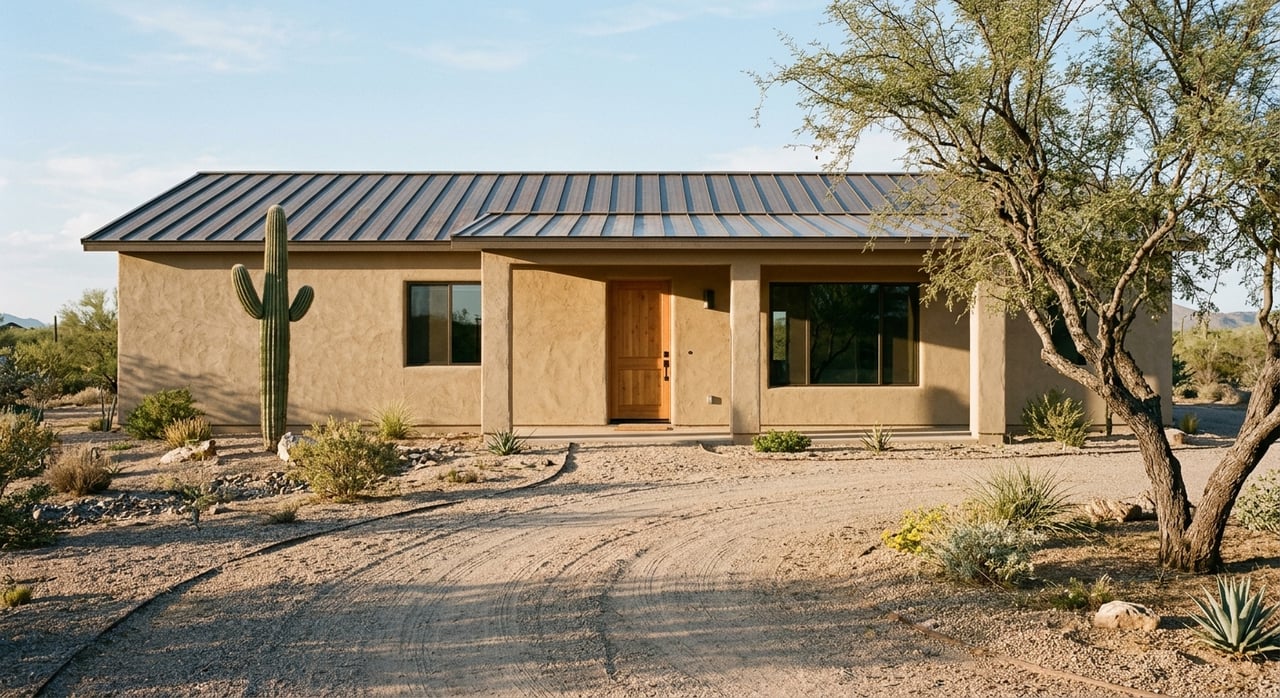
If you are looking at Vail, one of the biggest questions is not just which home to buy, but what kind of neighborhood fits your life. In this part of Pima County, that choice often comes down to planned communities with shared amenities and HOA structure versus rural or larger-lot homes with more space and more owner responsibility. Understanding that difference can help you avoid surprises and choose a property that feels right long after closing. Let’s dive in.
Why This Choice Matters in Vail
Vail is a census-designated place in unincorporated Pima County, with a 2020 population of 13,604. Because it is unincorporated, Pima County provides many services that a city would typically handle. That matters when you compare neighborhood types, because county planning clearly separates rural lands and lifestyles from more suburban ones.
In practical terms, Vail offers two very different living experiences. Some areas are newer and more built in, with community planning, shared features, and coordinated infrastructure. Other areas lean toward larger lots, more open space, and more site-specific systems for things like water, wastewater, and road access.
That is why the planned-community versus rural-home question is about more than appearance. It affects upkeep, flexibility, utilities, commute details, and the kind of day-to-day responsibilities you take on as an owner.
Planned Communities in Vail
What a Planned Community Means
Under Arizona law, a planned community is an association-governed development where owners are mandatory members and pay assessments. Those assessments support management, maintenance, or improvement of the property. For you as a buyer, that usually means more shared structure and more rules.
The Arizona Department of Real Estate says a subdivision Public Report can disclose utility providers, common or community facilities, local services, taxes and assessments, and HOA details. It also warns that CC&Rs may restrict things like landscaping, RV parking, play equipment, and satellite antennas. So before you fall in love with a home, it is important to understand what is allowed and what is not.
What Buyers Often Like
Many buyers are drawn to planned communities because they offer predictability. You may have common-area upkeep handled through the HOA, along with amenities and a more consistent exterior look across the neighborhood. If you prefer less day-to-day decision-making about outside maintenance or shared spaces, that can be a real advantage.
Rocking K is one example in Vail. According to its HOA, the community includes a park, trails and paths, open-space integration, and HOA governance. Its stated design focus is outdoor enjoyment and engagement, which gives buyers a useful snapshot of what this style of neighborhood can offer.
Where Buyers Need to Look Closer
The tradeoff is flexibility. HOA rules can shape how you use and maintain your property, and those rules may matter a lot depending on your lifestyle. If you want broad discretion over parking, exterior changes, or how your lot functions, an HOA-governed setting may feel more limiting.
This is where careful document review matters. A planned community can be a great fit, but only if the dues, restrictions, amenities, and property expectations line up with how you actually want to live.
Rural and Larger-Lot Homes in Vail
What Rural Living Looks Like
Pima County says about 85% of the unincorporated county's area has rural zoning, including Low Intensity Rural designations for rural residential uses. The county's planning principles also state that rural lands and lifestyles should be treated differently from suburban ones. In Vail, that helps explain why some neighborhoods feel far more open and individualized.
For many buyers, the appeal is simple. Larger lots often offer more privacy, more separation from neighboring homes, and more room to enjoy the natural desert setting. If space and independence are high on your list, this side of the Vail market may be especially appealing.
A Local Example of Larger-Lot Living
Coyote Creek is a useful local example of the larger-lot side of Vail. Its community information describes a long-running vision centered on large lots, open space, and scenic home sites in the natural desert landscape. It also references a recreation center, an equestrian center, and a design review committee.
That combination is worth noting. A larger-lot neighborhood can still have shared standards or community features, even when it feels more rural than a typical master-planned development. In other words, more land does not always mean no oversight.
What Responsibility Shifts to You
With a rural or larger-lot property, you may gain flexibility, but you may also take on more site-specific responsibility. That can include verifying wastewater systems, water sources, road access, and ongoing maintenance obligations. Those details are not small, especially if you are relocating from an area where most homes connect to standardized municipal systems.
Pima County says onsite wastewater treatment facilities are used when a home is not connected to a municipal sewer system, and the county regulates septic systems. The Arizona Department of Water Resources says new or modified wells require a Notice of Intent to Drill and a licensed well-drilling contractor, and shared well agreements are private contracts rather than regulated by the department.
Utilities and Infrastructure Matter More Than You Think
Planned Areas Often Have More Built-In Infrastructure
Pima County's 2025 growth-area planning emphasizes adequate land area, infrastructure, and utilities to support housing. The county's subdivision process reinforces that approach. Tentative plats are not approved until written approval is provided from servicing water, sewer, and electrical utilities, and final plats must include the infrastructure needed for that project phase.
For you as a buyer, that usually means newer planned neighborhoods are built around a more complete infrastructure package. That does not remove the need for due diligence, but it can reduce uncertainty about what is already in place.
Rural Properties Require More Verification
With rural or larger-lot homes, you want to confirm each utility and service individually. Is the property on sewer or septic? Does it have utility water, a private well, or a shared well arrangement? What agreements, permits, or maintenance expectations come with those systems?
This is one of the most important parts of the comparison. A beautiful home on a large lot can be a strong fit, but only if you fully understand how the property functions and what that means for ownership.
Roads, Access, and Commute Planning
Roads can be easy to overlook during a showing, but they matter every day after you move in. Pima County's road maintenance map distinguishes road segments maintained by the county from those maintained by another entity, and it flags intergovernmental agreements. The county also says it maintains nearly 2,200 miles of roadway in unincorporated Pima County.
Its service-request guidance adds another important layer. County road issues go to Pima County, while I-10 and frontage-road issues go to ADOT. That means buyers should verify how a home connects to the roads they will use most often and who maintains those segments.
For rural buyers especially, legal access and maintenance responsibility deserve close review. These details affect convenience, future planning, and sometimes long-term costs.
How to Decide What Fits You Best
Choose Planned Community Living If You Want:
- More predictability in neighborhood appearance and management
- Shared amenities or common areas
- HOA-managed maintenance responsibilities in certain areas
- A more built-in infrastructure pattern typical of newer subdivisions
Choose Rural or Larger-Lot Living If You Want:
- More privacy and open space
- More discretion over how your property is used
- A setting that feels less suburban
- Room to prioritize land, views, or a natural desert backdrop
Ask These Questions Before You Buy
- Do you want the predictability of an HOA-controlled community or the freedom of a larger-lot property?
- Are you comfortable paying HOA dues for amenities and common-area maintenance, or would you rather manage those costs yourself?
- Is the home connected to sewer and a utility water system, or does it depend on septic, a private well, or a shared well agreement?
- Who maintains the road, driveway, and any access easements?
- How does the daily route connect to major roads?
- What school boundaries apply to the exact address?
Check School Boundaries by Address
If schools are part of your decision, it is important to verify them by exact property address. The Vail School District says its attendance areas cover the southeastern corner of Tucson, Corona de Tucson, and the Vail area, with 22 schools and more than 15,000 students. Because those attendance areas cover a broad region, neighborhood name alone is not enough to confirm school assignment.
This is one of those simple steps that can prevent confusion later. Even if two homes seem close together, their assigned schools may not be identical.
The Bottom Line on Vail Neighborhoods
There is no one-size-fits-all answer in Vail. Planned communities can offer structure, amenities, and a more predictable ownership experience, while rural and larger-lot homes can offer space, privacy, and more independence. The better choice depends on how you want to live, what responsibilities you are comfortable managing, and how closely the property's infrastructure matches your needs.
A thoughtful comparison now can save you stress later. If you want clear guidance as you weigh Vail neighborhood options, Susan Derlein can help you sort through the details with confidence.
FAQs
What is the difference between planned communities and rural homes in Vail, AZ?
- Planned communities typically have HOA governance, shared amenities, and more standardized infrastructure, while rural or larger-lot homes often offer more space and flexibility but may require more owner responsibility for utilities, access, and upkeep.
What should buyers review in a Vail planned community?
- Buyers should review the subdivision Public Report, HOA details, taxes and assessments, utility providers, community facilities, and any CC&R restrictions that affect property use.
What utility questions matter for rural homes in Vail, AZ?
- Buyers should confirm whether the property uses sewer or septic, utility water or a private/shared well, and what agreements, permits, or maintenance responsibilities apply.
Why do road maintenance details matter for Vail rural properties?
- Road ownership and maintenance affect daily convenience, commute planning, and possible long-term costs, so buyers should verify who maintains the roads and access they will use most often.
How should buyers verify school boundaries in the Vail area?
- Buyers should check school assignment by exact property address through the Vail School District rather than relying on neighborhood name alone.