If your idea of a second home is less about crowds and schedules and more about easy mornings, walkable afternoons, and quiet nights under the stars, Tubac deserves a closer look. This small Southern Arizona village offers a very different pace from a typical resort market, with art, golf, history, and low-key outdoor time woven into everyday life. If you are wondering what second-home life here really feels like, this guide will help you picture the rhythm, lifestyle, and ownership considerations that matter most. Let’s dive in.
Why Tubac Fits Second-Home Buyers
Tubac sits in Santa Cruz County, about 45 to 50 minutes south of Tucson in the Santa Cruz River Valley, and it is known as Arizona’s first European settlement according to Santa Cruz County. The village is also notably walkable, with galleries, shops, and restaurants clustered within just a few blocks, as described by the local chamber. For many buyers, that creates a strong second-home appeal because you can enjoy a change of pace without needing a packed agenda.
Instead of feeling built around constant activity, Tubac feels set up for repeat visits. You can come down for a long weekend, stay a few weeks in winter, or plan around seasonal events and still feel like you are stepping into an established routine. That compact, relaxed layout is a big part of what makes it appealing for seasonal ownership.
Seasonal Living In Tubac
One of the first things to understand about Tubac is its yearly rhythm. According to Tubac Presidio State Historic Park’s annual weather overview, visitation is highest from October through March when conditions are mild. That timing lines up naturally with how many second-home owners like to use a Southern Arizona property.
The same source notes that May, June, and July are very hot, while late July into August brings monsoon season, including fast-moving storms and possible flash flooding. In practical terms, that often makes winter and spring the most comfortable seasons for longer stays. Summer visits can still work, but they are usually better suited to early mornings and evenings.
For many buyers, that points to a simple usage pattern:
- Winter weekends and extended stays
- Spring visits tied to art events and milder weather
- Shoulder-season getaways
- Limited summer use focused on cooler parts of the day
That cadence is not a rule, but it is a reasonable fit based on Tubac’s climate, event calendar, and walkable village lifestyle.
Art Shapes Daily Life
Art is not just one attraction in Tubac. It is central to how the village feels and functions. Santa Cruz County describes Tubac as home to painters, potters, sculptors, and carvers, with galleries showing work by nationally and internationally known artists.
The village chamber also highlights locally owned galleries, shops, antiques, jewelry, handcrafted pottery, hidden courtyards, and flowing fountains, all of which support a slow, browse-friendly day. Most shops and galleries are generally open from 10 a.m. to 5 p.m. daily, according to TubacAZ. That schedule reinforces the idea that life here tends to move at a relaxed daytime pace.
Tubac Center Of The Arts
A major part of Tubac’s identity is the Tubac Center of the Arts, which supports exhibitions, performing arts, lectures, workshops, classes, and a gallery gift shop. For a second-home owner, that adds more than a one-time sightseeing stop. It gives you a reason to return and engage with the community in a meaningful, ongoing way.
Signature Art Events
If you enjoy planning trips around local culture, Tubac has standout events. The Spring Art Walk has been a village tradition since the mid-1970s, and the annual Tubac Festival of the Arts each February is described by the chamber as Southern Arizona’s longest-running art festival. Those events can become natural anchors for your second-home calendar, especially if you want your time in Tubac to feel both familiar and seasonal.
Golf And Relaxed Recreation
For buyers who want recreation without a high-energy resort feel, Tubac offers a balanced mix. The clearest golf anchor is Tubac Golf Resort & Spa, described by the chamber as a 500-acre historic Otero Ranch setting with Spanish Colonial architecture, a championship 27-hole golf course, a spa, and a connection to the film Tin Cup.
That gives seasonal owners an easy way to blend recreation and downtime. You can spend part of the day golfing or enjoying resort amenities, then shift right back into the village pace for dinner or an evening walk. The overall feel is more relaxed and low-key than nonstop.
Trails, Birding, And Day Trips
Tubac also supports easy outdoor time beyond golf. TubacAZ’s adventure guide describes the area as pedestrian, hiking, and bicycling friendly, with birding trails, cycling routes, and stargazing. It also highlights the Juan Bautista de Anza National Historic Trail, which connects Tubac Presidio State Historic Park with Tumacácori National Historical Park in about an 8-mile round trip.
If you like having a few simple outing options nearby, the National Park Service points visitors to local attractions and day trips such as Patagonia Lake State Park and Madera Canyon. That makes Tubac a practical home base for low-key exploring without asking you to commit to a packed itinerary.
Dark Skies Add To The Experience
One of Tubac’s most distinctive lifestyle features appears after sunset. In 2024, DarkSky International certified Tubac as an International Dark Sky Community. The chamber notes that visitors can see the Milky Way and constellations away from city lights.
For second-home owners, that can become part of the appeal in a very real way. A quiet evening on the patio, less glare from surrounding lighting, and a stronger connection to the desert setting can make even a short stay feel restorative. It is one of those qualities that helps Tubac feel different from busier second-home destinations.
What A Typical Stay May Feel Like
When you put the village layout, climate, arts calendar, golf access, and dark skies together, Tubac starts to look less like a place for constant activity and more like a place for intentional downtime. A typical stay might include breakfast in the village, a few hours browsing galleries, lunch at a locally owned restaurant, an afternoon on the golf course or trail, and a quiet evening outside.
That routine is not official, but it is a practical picture based on Tubac’s walkability, shop hours, recreation options, and climate. If your goal is a second home that helps you slow down quickly, that pattern is worth paying attention to.
Homes That Support Lock-And-Leave Living
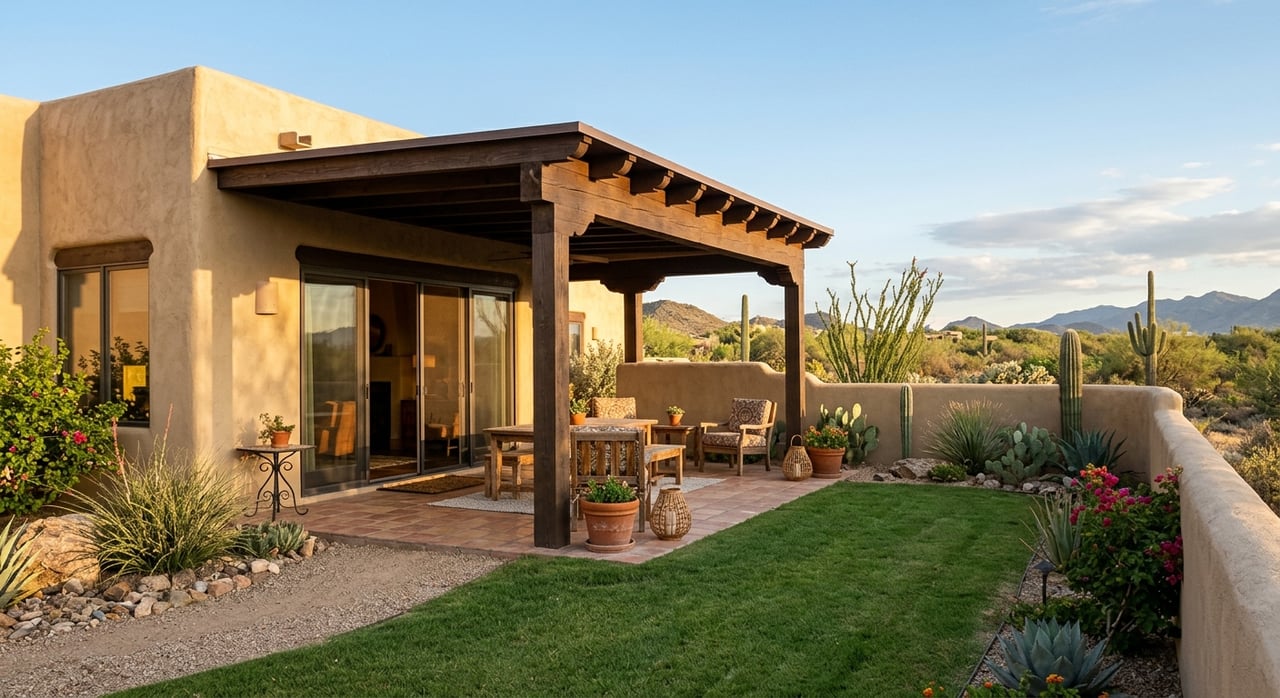
Lifestyle matters, but ownership details matter too, especially if you will not be in residence full time. Tubac’s housing stock reflects both its history and newer community planning. Santa Cruz County’s historic-zone guidance notes that adobe, masonry, and stucco are major building materials in the district and emphasizes preserving the area’s Spanish Colonial and early settlement character.
That historic influence can give the area visual continuity and a strong sense of place. At the same time, the county subdivision legend shows a range of community types, including townhome options such as Tubac Valley Villas and Villa Hermosa, while The Ranch at Aliso Springs is described as a gated subdivision with larger parcels, paved roads, underground utilities, and mountain views. Those differences matter because second-home buyers often need to decide between lower-maintenance living and more land or privacy.
Why HOA Details Matter
For seasonal owners, community infrastructure can be just as important as the home itself. Materials from Tubac Golf Resort Development HOA reference common-area maintenance, irrigation run times, member directories, and resale disclosure access. Barrio de Tubac HOA materials also mention water monitoring, sidewalk repairs, reserve planning, and wildfire preparedness reminders.
Those details can reduce the burden of owning a property from a distance. If you are buying a second home, it is smart to look closely at how a neighborhood handles maintenance, utilities, landscape expectations, and community systems. This is one area where clear guidance can make a big difference in your long-term comfort with the purchase.
Exterior Lighting Expectations
Tubac’s dark-sky designation also carries practical ownership implications. According to DarkSky International, the certification depends on lighting management policy, outdoor lighting code, and continued maintenance and education. That means exterior lighting standards may be part of the local ownership culture, and buyers should be prepared to understand those expectations before closing.
Is Tubac Right For Your Second Home Goals?
Tubac tends to fit buyers who want a second home that feels easy to return to. You are not buying into a fast-paced destination built around constant entertainment. You are choosing a setting where the daily experience can stay rich without becoming complicated, with galleries, golf, trails, history, and dark-sky evenings all close at hand.
It can be especially appealing if you value:
- A walkable village core
- Winter and spring seasonal use
- Art and cultural events
- Relaxed golf and outdoor time
- Home options that may support lock-and-leave ownership
- A quieter rhythm than a larger resort market
If that sounds like your kind of second-home lifestyle, Tubac is worth a thoughtful look. And if you want help comparing property types, reviewing HOA considerations, or narrowing down what fits your goals best, Susan Derlein can help you move forward with clarity and confidence.
FAQs
What makes Tubac appealing for a second home?
- Tubac offers a walkable village, active arts scene, golf, trail access, and dark-sky evenings, which together create a relaxed setting for repeat seasonal visits.
When is the best time to use a second home in Tubac?
- October through March is generally the most comfortable period for longer stays, according to Tubac Presidio State Historic Park, while late spring and summer bring hotter conditions and monsoon weather.
What kind of recreation can you enjoy in Tubac?
- Tubac is known for gallery browsing, golf at Tubac Golf Resort & Spa, hiking, bicycling, birding, stargazing, and nearby day trips such as Patagonia Lake State Park and Madera Canyon.
What should second-home buyers know about Tubac HOA living?
- HOA-managed areas may offer benefits like common-area maintenance and infrastructure oversight, which can be helpful for lock-and-leave ownership, so reviewing rules, fees, and maintenance responsibilities is important.
Are there lower-maintenance home options in Tubac?
- Santa Cruz County materials show a range of community types in Tubac, including townhome communities as well as properties on larger parcels, so buyers can compare maintenance needs and lifestyle fit.
How does Tubac’s dark-sky status affect homeowners?
- Tubac’s International Dark Sky Community designation suggests that exterior lighting standards and lighting management practices are part of local ownership expectations.