If you want a home base in Southern Arizona without signing up for constant yard work, exterior upkeep, and weekly check-ins, lock-and-leave living in Oro Valley deserves a close look. Many buyers, especially seasonal residents, retirees, and frequent travelers, want a home that feels comfortable when they are here and manageable when they are away. The good news is that Oro Valley offers several housing setups that can support that goal, as long as you understand what the HOA does and does not cover. Let’s dive in.
What lock-and-leave means in Oro Valley
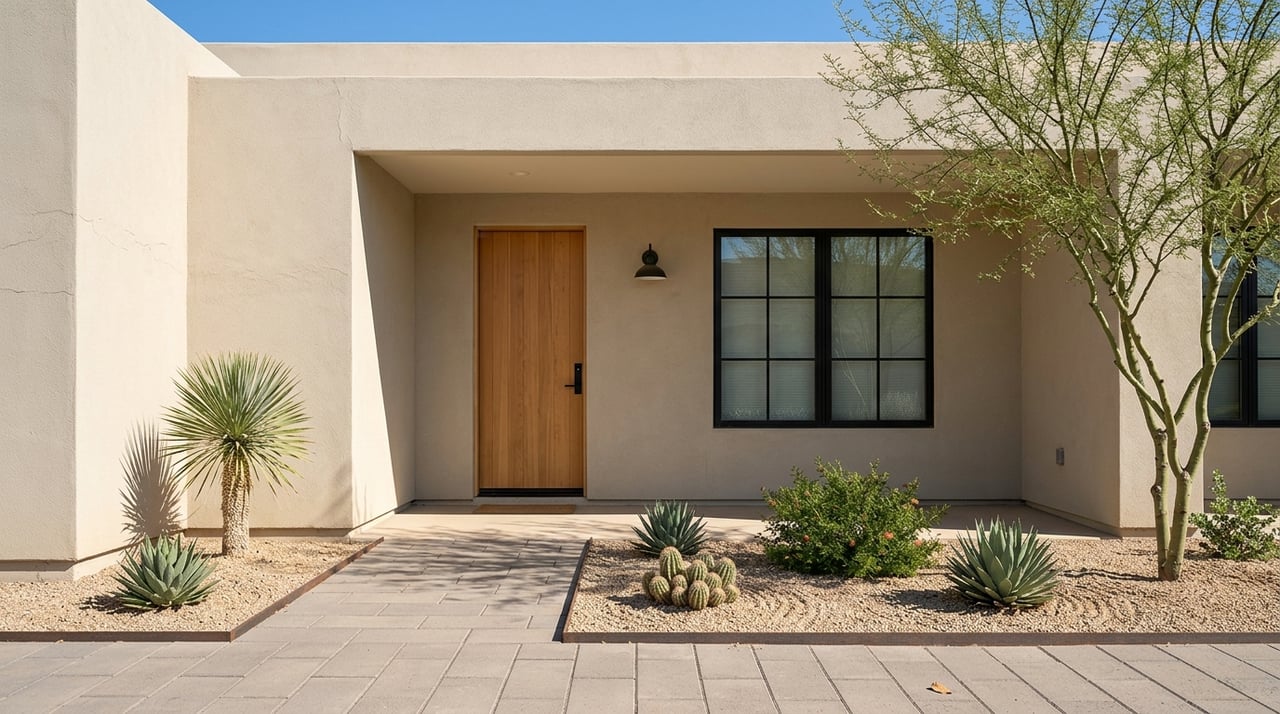
In Oro Valley, lock-and-leave living is usually less about one exact property type and more about how the home is maintained. In many communities, an HOA or master association handles part of the exterior upkeep or shared spaces, which can reduce your day-to-day responsibilities.
That matters because two homes may both look low maintenance at first glance, but the ownership experience can be very different. One HOA may cover landscaping, roofs, gates, or common roads, while another may only maintain common areas. If you are planning to spend part of the year away, those details matter more than the label on the listing.
Why Oro Valley fits this lifestyle
Oro Valley has a lot going for buyers who want convenience, recreation, and a home that is easier to manage. The town highlights golf, parks, shopping, dining, extensive bicycle facilities, a dynamic trail system, and the 4-mile Cañada del Oro Shared Use Path.
The local climate also plays a role. Tucson weather normals show average highs around 101°F in June and 100°F in July, and the Southwest monsoon season runs from June 15 through September 30. For many buyers, that makes features like HOA-maintained landscaping, irrigation oversight, and secure, easy-to-close homes especially appealing.
There are also a few practical town details worth noting. Oro Valley states that it does not assess a property tax and does not provide trash pickup service. In some neighborhoods, the HOA contracts for trash service, which can simplify recurring tasks for part-time owners.
Property types to consider
Patio homes and townhomes
Patio homes and townhomes are often the first places buyers look for lock-and-leave living. These homes can offer smaller outdoor areas, attached construction in some cases, and HOA structures that may reduce exterior responsibilities.
Oro Valley has local examples that fit this model. El Conquistador Resort Patio Homes is described as a resort townhome community, and Carmel Pointe is a gated community of 104 patio homes whose HOA notes that the neighborhood includes both seasonal and year-round owners. That mix suggests a setup many part-time residents find practical.
Master-planned HOA neighborhoods
A detached home can also work well for lock-and-leave living if the HOA covers the right items. In master-planned communities, you may have both a master association and a sub-HOA, which can mean more layered maintenance and amenity management.
Rancho Vistoso is a strong local example. It is a 7,626-acre master-planned community with 28 neighborhoods and 28 sub-associations. Its HOA information states that all gated communities and condominiums in Rancho Vistoso have sub-HOAs and pay additional fees for neighborhood amenities, while the master HOA maintains common areas and amenities.
Active-adult low-maintenance communities
For buyers focused on ease and predictability, active-adult communities may offer some of the clearest lock-and-leave benefits. These neighborhoods are often designed around simpler upkeep and shared services.
Sun City Oro Valley describes itself as a 45+ active adult community with about 2,500 homes, one-story housing, and 36% of its land in common areas. Its HOA information sheet shows dues can cover items such as refuse collection, exterior pest control, termite control, security patrol, controlled-access gates, and maintenance of building exteriors, roofs, grounds, and yards. That is the kind of detail you want to review closely when comparing options.
HOA-managed detached homes
Do not assume you need an attached home to get a low-maintenance lifestyle. Some detached-home neighborhoods function well for owners who travel often because the HOA handles enough of the outside responsibilities to reduce stress.
Eagles Bluff is one example. Its HOA says it maintains common areas, roadways, drainageways, and slope easements. While that does not mean every exterior item is covered, it shows how a detached-home community can still support a more manageable ownership experience.
What to ask before you buy
The biggest mistake buyers make with lock-and-leave housing is assuming coverage instead of verifying it. Arizona HOA communities are governed by recorded documents and state statutes, and the Arizona Department of Real Estate advises buyers to verify all facts before signing.
For a lock-and-leave purchase, your goal is to move past general phrases like “low maintenance” and get specific answers. You want to know exactly what the association maintains, what you still handle as the owner, and what restrictions may affect how you use the property.
Key questions for the HOA
Ask for clear, written information on:
- Landscaping responsibilities
- Roof maintenance and replacement
- Exterior wall or building maintenance
- Pest or termite coverage
- Gate or patrol services
- Trash service arrangements
- Irrigation oversight for common or private areas
- Reserve funding and reserve studies
- Past or planned special assessments
- Rules that affect seasonal use or home access
Key questions about owner responsibilities
You should also ask what still falls on you, including:
- HVAC servicing
- Insurance responsibilities
- Window and door maintenance
- Utility management while away
- Interior leak monitoring
- Any limited common element upkeep, if applicable
Why HOA details matter so much
Two neighborhoods can have similar dues and very different value. In one community, dues may cover services that genuinely simplify ownership. In another, dues may mainly support management and shared landscaping, leaving you with more hands-on responsibility than you expected.
Eagles Bluff offers a useful reminder here. Its HOA budget discussion reported that a large share of annual dues went to management and landscaping, with the remaining portion going to reserves to help avoid a future special assessment for road work. That does not make the community a poor fit, but it does show why you need to understand where the money goes.
Renting the home while you are away
Some buyers hope to use a home seasonally and rent it out at other times. If that is part of your plan, do not assume the rules are simple.
Oro Valley states that rentals under 30 days are considered short-term rentals. The town says these rentals are allowed by right in residential districts, but they require town licensing, Pima County filing, state tax registration, and liability insurance. The town also states that HOAs may privately regulate or restrict short-term rentals, so both the public rules and the HOA rules matter.
A simple way to compare options
When you tour lock-and-leave homes in Oro Valley, compare them through the lens of ownership, not just appearance. A beautiful home with a great floor plan may still be a poor match if you will need to manage too many exterior or seasonal tasks yourself.
Use this quick checklist as you narrow your options:
- Does the HOA reduce the chores you least want to handle?
- Are dues supporting services you will actually use?
- Is the home easy to secure when you leave?
- Are there seasonal-owner patterns in the community?
- Are reserve funds and assessments clearly explained?
- If renting matters, are the rules workable for your goals?
Finding the right fit for your lifestyle
The best lock-and-leave option in Oro Valley depends on how you plan to live. If you want the simplest setup, a patio home, townhome, or condo-style community may be the most natural place to start. If you prefer more space or a detached home, certain HOA-managed neighborhoods can still work well, especially when exterior care and shared-area maintenance are handled thoughtfully.
What matters most is matching the community structure to your real routine. If you travel often, live elsewhere part of the year, or simply want fewer ongoing tasks, the right HOA and property type can make a major difference in how easy homeownership feels.
If you are weighing low-maintenance options in Southern Arizona and want clear help sorting through HOA rules, community differences, and day-to-day ownership realities, Susan Derlein can help you compare your choices with confidence.
FAQs
What does lock-and-leave living mean in Oro Valley?
- In Oro Valley, lock-and-leave living usually refers to a home that is easier to leave for longer periods because an HOA or master association handles some exterior maintenance, common areas, or shared services.
What property types offer lock-and-leave options in Oro Valley?
- Common options include patio homes, townhomes, condominium communities, active-adult neighborhoods, master-planned communities with sub-HOAs, and some detached-home neighborhoods with meaningful HOA maintenance.
What should buyers check about an Oro Valley HOA before purchasing?
- You should verify exactly what the HOA maintains, what the owner still pays for, the level of reserve funding, whether there have been special assessments, and any rules that affect seasonal use or rentals.
Can you use an Oro Valley lock-and-leave home as a short-term rental?
- Possibly, but Oro Valley says rentals under 30 days require town licensing, Pima County filing, state tax registration, and liability insurance, and the HOA may also restrict or prohibit short-term rentals.
Why is Oro Valley popular for seasonal homeowners?
- Oro Valley offers recreation, golf, trails, parks, shopping, dining, and housing options with HOA support, which can make it appealing for buyers who want a part-time or travel-friendly home base.
Are detached homes in Oro Valley ever good lock-and-leave choices?
- Yes. Some detached-home communities can still work well if the HOA handles enough of the landscaping, common-area maintenance, or other exterior responsibilities to reduce owner workload.