If you want more room to spread out without losing your connection to Tucson, Vail deserves a close look. Many buyers are trying to balance commute time, outdoor space, newer homes, and access to the city’s jobs, healthcare, culture, and airport. The good news is that Vail can offer that mix, as long as you go in with a clear plan for commute routes, community fees, and Arizona due diligence. Let’s dive in.
Why Vail appeals to Tucson-linked buyers
Vail works well for people who spend time in Tucson but want a more residential home base. Census QuickFacts show Vail has 13,604 residents, 5,529 households, a 91.1% owner-occupied housing rate, and a median value of $414,600 for owner-occupied homes. That points to a market where many people are putting down roots rather than looking for a dense, urban setup.
That same Census data shows a 29.7-minute mean travel time to work. For you, that likely means Vail can be a smart fit if you are comfortable trading a longer drive for more space, newer housing options, and a quieter setting. It is not the same experience as living closer to central Tucson, and that tradeoff is important to think through early.
What the Tucson commute means
For many Vail buyers, the I-10 and Houghton Road area is central to daily life. The Arizona Department of Transportation says the rebuilt I-10/Houghton interchange uses a diverging-diamond design to improve traffic flow in this growing part of southeast Tucson. ADOT also notes that Houghton Road is a principal arterial serving southeastern Tucson and Pima County.
ADOT’s study says traffic in the area could rise by as much as 50% by 2045. That does not mean your commute will feel impossible, but it does mean you should test your route in real conditions before you buy. Drive it at the same time of day you would actually leave for work, appointments, or regular activities.
If your schedule is flexible, Vail may feel very manageable. If you expect a strict daily in-office routine, your route and timing deserve extra attention. A home can check every box on paper, but the drive is what you will live with week after week.
Why Vail still works for frequent Tucson access
Living in Vail does not cut you off from Tucson’s major conveniences. Tucson International Airport is the region’s main commercial airport, located about 8 miles south of downtown Tucson. According to Fly Tucson, seven airlines serve nonstop destinations, with additional one-stop connections available.
That matters if you travel for work, split time seasonally, or expect visiting family and friends. You can keep a calmer home base in Vail while staying connected to the airport and the broader Tucson area. For many buyers, that balance is part of the appeal.
What homes in Vail often look like
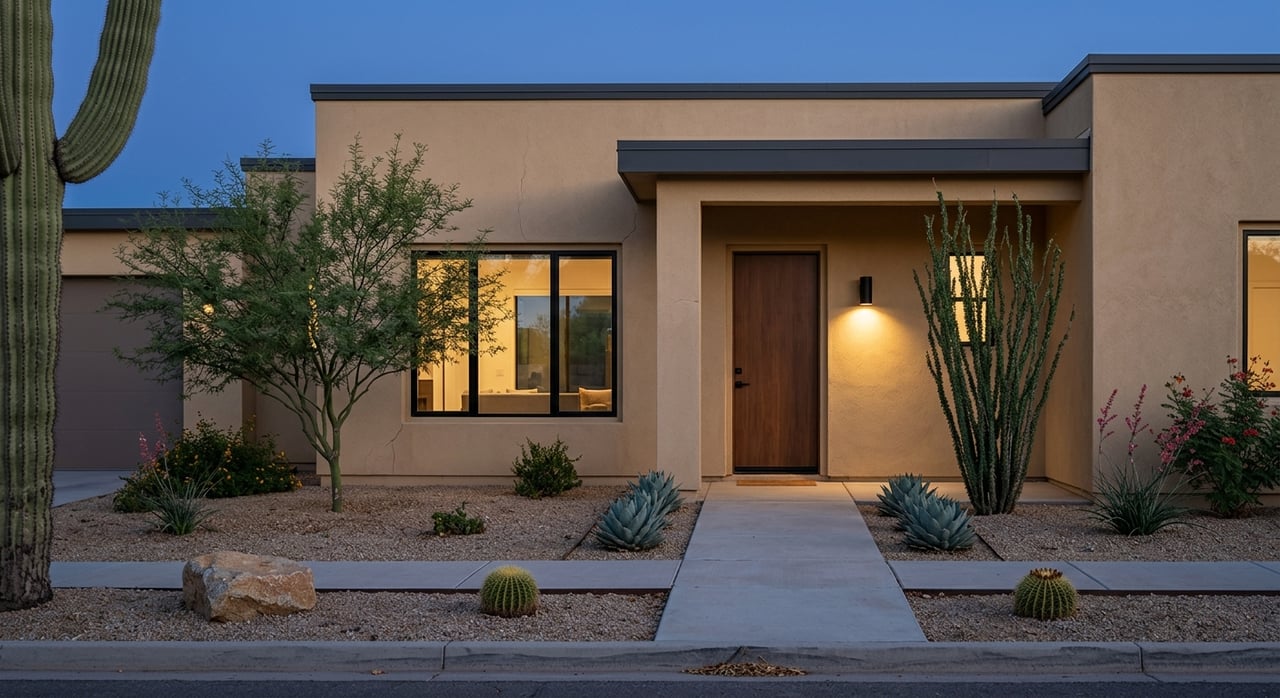
Vail’s housing mix tends to lean newer and more suburban than many older Tucson areas. Current examples in the market include one- and two-story homes at KB Home’s Founders Ridge and single-family homes at Lennar’s Mountain View at Rocking K, including Next Gen floor plans. While any specific listing will vary, these examples help show the general pattern buyers often see.
If you are comparing Vail with older Tucson neighborhoods, the differences can be meaningful. Newer construction may offer more modern layouts, different lot configurations, and fewer immediate renovation projects. At the same time, newer communities often come with added rules, fees, or district costs that you need to understand before you commit.
Space, scenery, and planned amenities
Part of Vail’s draw is the setting. Rocking K describes more than 30% protected open space along with trails and parks, which reflects the scenery-and-space value many buyers are after in this area. That can be especially appealing if you want desert views and a little breathing room while staying connected to Tucson.
Pima County also points to longer-term amenity investment in the area, including Esmond Station Regional Park, with priorities extending to FY2046. That suggests Vail is not only a place to sleep between trips into Tucson. It is also an area where recreation and infrastructure are continuing to evolve over time.
The costs buyers should ask about
When you buy in Vail, the sticker price is only part of the picture. Pima County notes that large master-planned communities can be financed through Community Facilities Districts, or CFDs, which may fund roads, sewer mains, parks, and related infrastructure. If you are comparing homes, you should ask whether a property is in a master-planned community or a CFD.
You should also ask about HOA dues, special district assessments, and CC&Rs. These items can affect your monthly costs and how you use the property. In newer or amenity-driven communities, understanding the rules and fee structure upfront can save you from expensive surprises later.
Tucson benefits that support a Vail lifestyle
A big reason Vail works as a Tucson-linked home base is that Tucson offers the services and destinations many buyers want nearby. Banner–University Medical Center Tucson says it is Southern Arizona’s only Level I Trauma Center. TMC Health describes itself as Southern Arizona’s locally governed nonprofit health system that includes Tucson Medical Center, TMCOne, and affiliated hospitals and practices.
Healthcare access matters whether you are moving full-time, buying a second home, or planning ahead for convenience. Many buyers want a quieter residential setting without giving up access to major medical care. Vail can support that goal because Tucson’s healthcare network remains within reach.
Tucson also adds depth for errands, outings, and cultural activities. Visit Tucson highlights places such as the Tucson Museum of Art, Fox Tucson Theatre, the University of Arizona Museum of Art, MOCA Tucson, and San Xavier Mission. Tohono Chul adds a 49-acre public garden and nature preserve with galleries, walking paths, and year-round cultural programming.
For outdoor access, Pima County’s trail plan notes that more than 100 miles of shared-use paths are already complete. The county emphasizes connections between homes, jobs, commerce, and open space. If you want desert surroundings without giving up regional access, that network adds to Vail’s long-term appeal.
Arizona contract timing matters
If you are buying in Vail, Arizona contract rules deserve careful attention. The Arizona Department of Real Estate says no real estate contract exists until it is offered and accepted in writing. It also emphasizes that important terms should be in writing, not verbal.
That may sound basic, but it matters in a fast-moving market. If a seller agrees to something important, make sure it is documented properly. Clear written terms are one of the best ways to protect your expectations and avoid confusion later in the transaction.
Inspections and disclosures to watch
ADRE’s consumer guide says Arizona transactions generally provide a ten-day inspection period. The agency also recommends a professional home inspection and a termite inspection. In Vail, that timeline can be especially important because buyers may also need to review HOA documents, community rules, and other neighborhood-related details during the same window.
For resale homes, ADRE advises buyers to read the Seller’s Property Disclosure Statement and the purchase contract carefully to understand the deadlines that apply. For new homes, ADRE says the Public Report must be provided before you sign the purchase contract. If you are comparing a resale home with new construction, this is one of several process differences to keep in mind.
ADRE also flags due-diligence items that can matter in newer or more outlying desert communities, including septic systems, flood risk, expansive soils, water availability, and HOA restrictions. The agency notes that CC&Rs can restrict things like landscaping, RV parking, play equipment, and satellite antennas. If any of those issues matter to how you plan to live in the home, ask early.
If you are considering land or a custom build
Some buyers drawn to Vail also look at acreage or a future build instead of a standard resale home. ADRE says certain land purchases include a seven-calendar-day rescission right and a six-month land-inspection period. That is not the norm for a typical suburban resale, but it is relevant if you are exploring lots or buildable parcels.
ADRE also recommends checking zoning maps, nearby future land uses, and ADOT maps for future freeway routes or widening. In a growing area tied closely to the I-10/Houghton corridor, future development can affect noise, access, and convenience. That kind of homework can shape whether a property still fits your goals five or ten years from now.
How to decide if Vail fits you
Vail can be a strong choice if you want a residential setting, newer housing options, and proximity to Tucson without living in the middle of it. The right fit often comes down to your real daily pattern, not just a map. Think about how often you will commute, where you go most, and how much value you place on space, scenery, and community amenities.
This is also where details matter. HOA rules, CFD costs, inspection timing, and future growth patterns can all affect how confident you feel after closing. When you understand those pieces clearly, it gets much easier to decide whether Vail supports the life you actually want to live.
If you are weighing Vail against Tucson-area alternatives, a clear, detail-driven plan can make the process much less stressful. That means looking beyond the listing photos and asking the right questions about costs, rules, timing, and long-term fit. When you are ready for calm guidance and strong follow-through, connect with Susan Derlein.
FAQs
Is Vail a good choice if you work in Tucson?
- Vail can be a good fit if you are comfortable with the commute tradeoff for more space and a quieter residential setting. Census data shows a 29.7-minute mean travel time to work, and ADOT says the I-10/Houghton corridor is a key route to evaluate carefully.
What types of homes can you expect to find in Vail?
- Vail often features newer, suburban-style housing, including one- and two-story homes and single-family homes in master-planned communities. Compared with some older Tucson areas, buyers may find newer layouts and different maintenance expectations.
What extra costs should buyers ask about in Vail communities?
- You should ask about HOA dues, special district assessments, CC&Rs, and whether the property is in a Community Facilities District. Pima County says CFDs may help fund infrastructure such as roads, sewer mains, and parks.
What inspection timeline should buyers expect in Arizona?
- ADRE says Arizona transactions generally provide a ten-day inspection period. Buyers should use that time to complete inspections and review disclosures, HOA documents, and any community-specific restrictions or costs.
Why do Tucson amenities matter when buying in Vail?
- Tucson adds important support for a Vail lifestyle through healthcare, airport access, cultural destinations, and regional trails. That allows many buyers to enjoy a calmer home base in Vail while staying connected to major services and activities in the city.